
what is hypermobility?
HYPERMOBILE SPECTRUM DISORDER (HSD) & HYPERMOBILE EHLERS-DANLOS SYNDROME (hEDS)

Hypermobility Spectrum Disorders (HSD) and hypermobile Ehlers-Danlos syndrome (hEDS) involve excessive joint mobility that can compromise biomechanical stability. When joints move beyond their ability to maintain adequate support, they become more vulnerable to subluxations, dislocations, sprains, and repetitive injuries.
But HSD/hEDS is much more than simply having flexible joints.
These conditions can profoundly affect a person’s quality of life, contributing to chronic pain, fatigue, and recurring injuries. They also frequently coexist with other conditions, including anxiety, depression, ADHD, gastrointestinal disorders, dysautonomia, and, in some individuals, mast cell activation disorders and autoimmune conditions.
To better understand the complexities of HSD/hEDS, it helps to explore one of the body’s most interconnected systems: fascia.
Where It All Begins: The Fascial Network
Fascia is an expansive, three-dimensional web of connective tissue that surrounds, supports, and connects our muscles, nerves, organs, and joints. Imagine a delicate, fluid-rich network of interwoven fibers extending from head to toe.
Far from being simply a structural wrapping, fascia is a dynamic, responsive tissue that plays an essential role in movement, stability, and communication throughout the body.
This interconnected network helps distribute tension and mechanical forces, supports the body’s structures, and allows tissues to glide smoothly against one another. Its fluid-rich environment also contributes to the exchange of nutrients, signaling molecules, and metabolic waste.
Fascia is richly supplied with sensory nerve endings, making it an important participant in the body’s relationship with the nervous system. It contributes to:
Proprioception: Our awareness of where the body is positioned in space.
Interoception: Our perception of internal bodily sensations, such as hunger, thirst, and changes in heart rate.
Nociception: The detection and communication of potentially painful or harmful stimuli.
Through these sensory connections, fascia participates in the ongoing dialogue between the body and nervous system, influencing how we perceive, coordinate, and respond to movement.
In a well-coordinated system, tension is distributed efficiently through the fascial network and surrounding musculature. This balance allows the body to move with greater stability, adaptability, and ease.
When Fascial Balance Is Disrupted
In individuals with HSD/hEDS, joint laxity can alter how forces and tension are distributed throughout the body.
Some areas may develop excessive tension as muscles and connective tissues work harder to stabilize vulnerable joints, while other areas lack sufficient support. Over time, these compensatory patterns can create a cycle of inefficient movement, fatigue, discomfort, and recurring injury.
For example, increased tension or restricted tissue mobility surrounding an unstable joint may contribute to abnormal mechanical stress, making it more difficult for the body to move safely and efficiently.
Altered fascial mobility and persistent mechanical stress may also contribute to localized pain, tissue sensitivity, and changes in sensory feedback.
Because fascia is closely connected with the nervous system, these patterns can influence how the body perceives position, movement, and discomfort. For individuals already navigating altered proprioception, chronic pain, or autonomic symptoms, this can add another layer of complexity to movement and stability.
The goal is not simply to increase strength or flexibility, but to restore a more balanced relationship between the body’s connective tissues, muscular support, and nervous system..
how we treat hypermobility at JAM…
A Whole-Body Approach to Fascial Balance, Stability & Movement
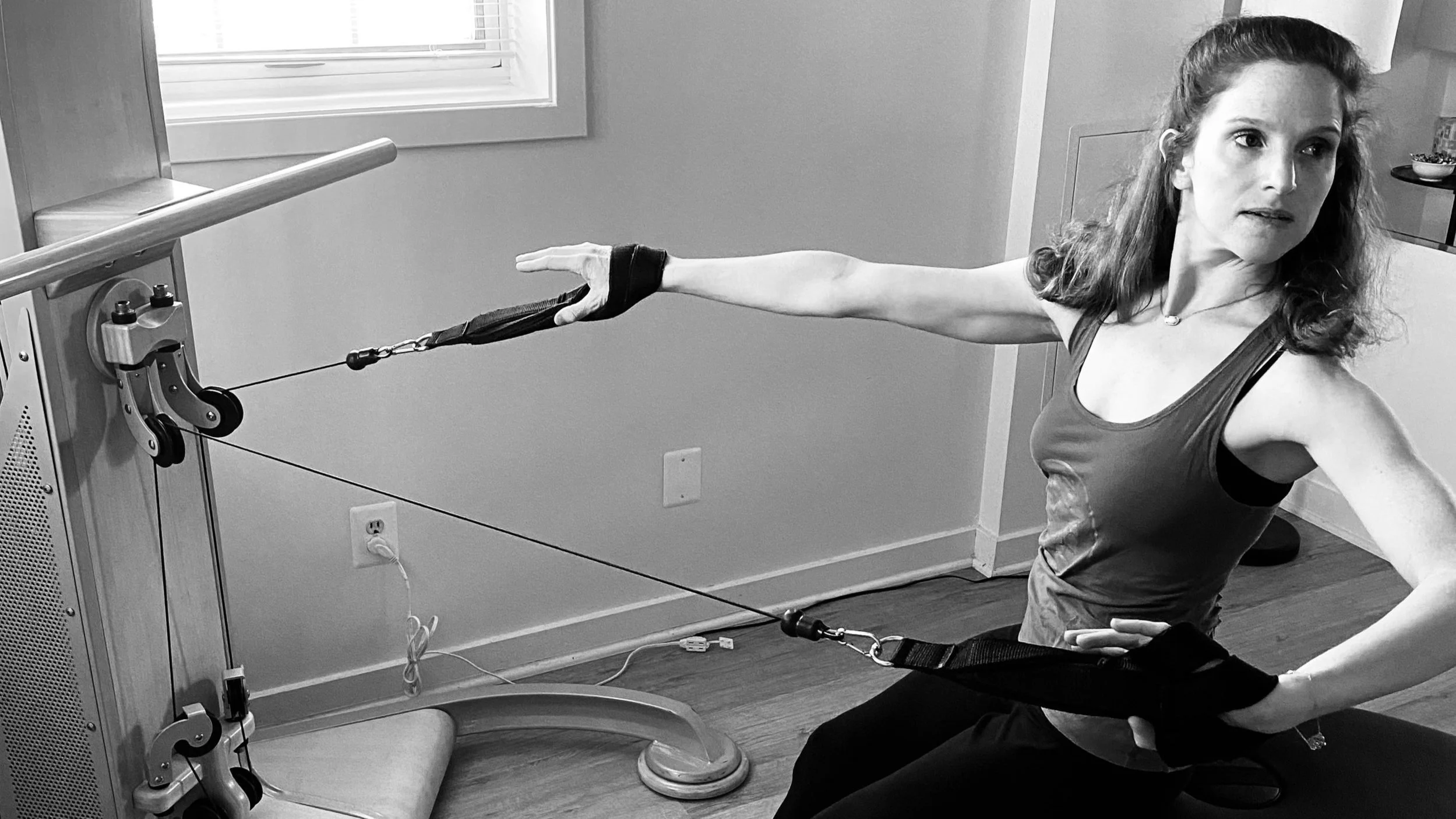
At JAM, we believe that treating hypermobility is about more than strengthening unstable joints. It’s about restoring balance throughout the body so you can move with greater stability, efficiency, and ease

1. We Treat You — Not Just Your Joints!
When you’re experiencing 17 different symptoms at once, it can be overwhelming. But your symptoms are real, and they deserve to be understood!
HSD/hEDS often coexists with conditions such as dysautonomia, mast cell activation disorders, gastrointestinal dysfunction, anxiety, ADHD, and autoimmune conditions.
At JAM, we recognize that these overlapping challenges can influence how you feel, move, and function each day.
We take the time to understand your unique experiences and develop an individualized approach that considers your whole body. When appropriate, we also help connect you with specialists who can become part of your healthcare team.
2. Regulate the Nervous System
Before we can restore balanced movement, we need to create an environment in which your nervous system feels supported.
Many individuals with HSD/hEDS experience heightened nervous system sensitivity, altered body awareness, or autonomic dysregulation. This can make it difficult to distinguish between helpful muscular engagement and excessive tension.
Through gentle breathwork, Feldenkrais-inspired movement, mindful body awareness, and carefully guided self-myofascial release, we help you explore ways to reduce unnecessary effort and encourage nervous system regulation.
As your body develops a greater sense of safety and awareness, it becomes easier to recognize inefficient movement patterns and discover new possibilities for stability.
3. Restore Fascial Balance & Deep Core Support
In hypermobile bodies, the distribution of tension and muscular support can become imbalanced.
Often, superficial muscles and connective tissues work overtime to compensate for insufficient support from the deeper stabilizing system. Some areas become excessively tight and restricted, while others struggle to maintain adequate tension and stability.
At JAM, we work to restore a more harmonious relationship between these systems.
Using gentle myofascial techniques, skeletal alignment, breath coordination, and deep core activation, we help you release unnecessary superficial tension while developing the deeper muscular support needed for joint stability.
The key is learning how to release and activate together.
Simply stretching or releasing tight tissues without restoring active support can leave hypermobile joints feeling even more vulnerable.
By carefully coordinating these processes, we help your body redistribute effort more efficiently, creating a foundation for improved biomechanics, proprioception, and movement.
4. Integrate Stability Into Everyday Movement
Fascial Balance → Biomechanical Stability → Efficient Movement
Once we’ve established a foundation of fascial balance and deep muscular support, we begin integrating these changes into functional movement.
Rather than relying on excessive muscular effort or locking joints into end-range positions, you’ll learn to move with greater awareness, adaptability, and efficiency.
Together, we’ll explore strategies to improve joint stability, conserve energy, reduce unnecessary strain, and recognize your body’s early signs of fatigue.
We’ll also develop a individualized self-care practice that supports your individual needs, giving you tools to manage symptoms and maintain progress between sessions.
Our ultimate goal is to empower you to move through daily life with greater confidence, comfort, and freedom ✨